
Nutrition's Role in Physical Activity
Physical activity of any kind has a lot of health benefits. People who are serious about their sport or exercise routine will find they perform better and feel healthier when they combine balanced nutrition with physical activity. The best diet for each person will differ based on their age, activity level, and the physical activity they pursue. Everyone should focus on clean eating, which means minimally processed foods.
Nutrients and Your Athletic Performance
Athletes need good nutrition in order to compete. This includes a good mix of proteins, fats, and carbohydrates, which are known as macronutrients. Since different athletes have different needs, it's important to consult a sports dietitian to optimize diet and increase performance. For example, some people might need to eat a diet higher in iron or zinc. Anyone who feels extremely fatigued or unusually hungry following a workout, practice, or game probably isn't eating enough of the right macronutrients.
Evidence Shows Proper Nutrition Supports Activity
Scientific research suggests that both good nutrition and physical activity are good for people's overall health. However, research also indicates that people who combine good nutrition with physical activity achieve much better results than people who only focus on one of these aspects of a healthy lifestyle. There's also research that suggests that people who regularly participate in some sort of physical activity naturally begin making healthier food choices.
The Importance of Balance and Timing of Macronutrients
The three macronutrients are carbohydrates, fats, and proteins. All three needed for good performance. Carbohydrates often suffer from a lousy reputation, but they are the body's favorite energy source. Fats are needed to keep bodies feeling satisfied after eating, and fat also helps vitamins A, D, E, and K4 absorb into the body since these vitamins are fat soluble. Protein helps the body rebuild ligaments and muscles. Balancing these macronutrients is vital for athletes looking to maximize their performance. Timing also matters. Many athletes believe they perform better if they eat a carb-heavy meal before a long workout and then choose protein-rich foods post-workout.
What to Eat For Optimal Performance
There are healthy and less than healthy options for each of the macronutrients.
Healthy sources of carbs include:
- Bananas
- Blueberries
- Buckwheat
- Chickpeas
- Oats
- Oranges
- Kidney Beans
- Quinoa
- Sweet Potatoes
Healthy sources of fat include:
- Avocados
- Cheese
- Chia seeds
- Dark Chocolate
- Eggs
- Nuts
- Salmon
- Yogurt
Healthy sources of protein include:
- Beans
- Eggs
- Fish
- Leans cuts of red meat
- Soy
- White meat chicken and turkey
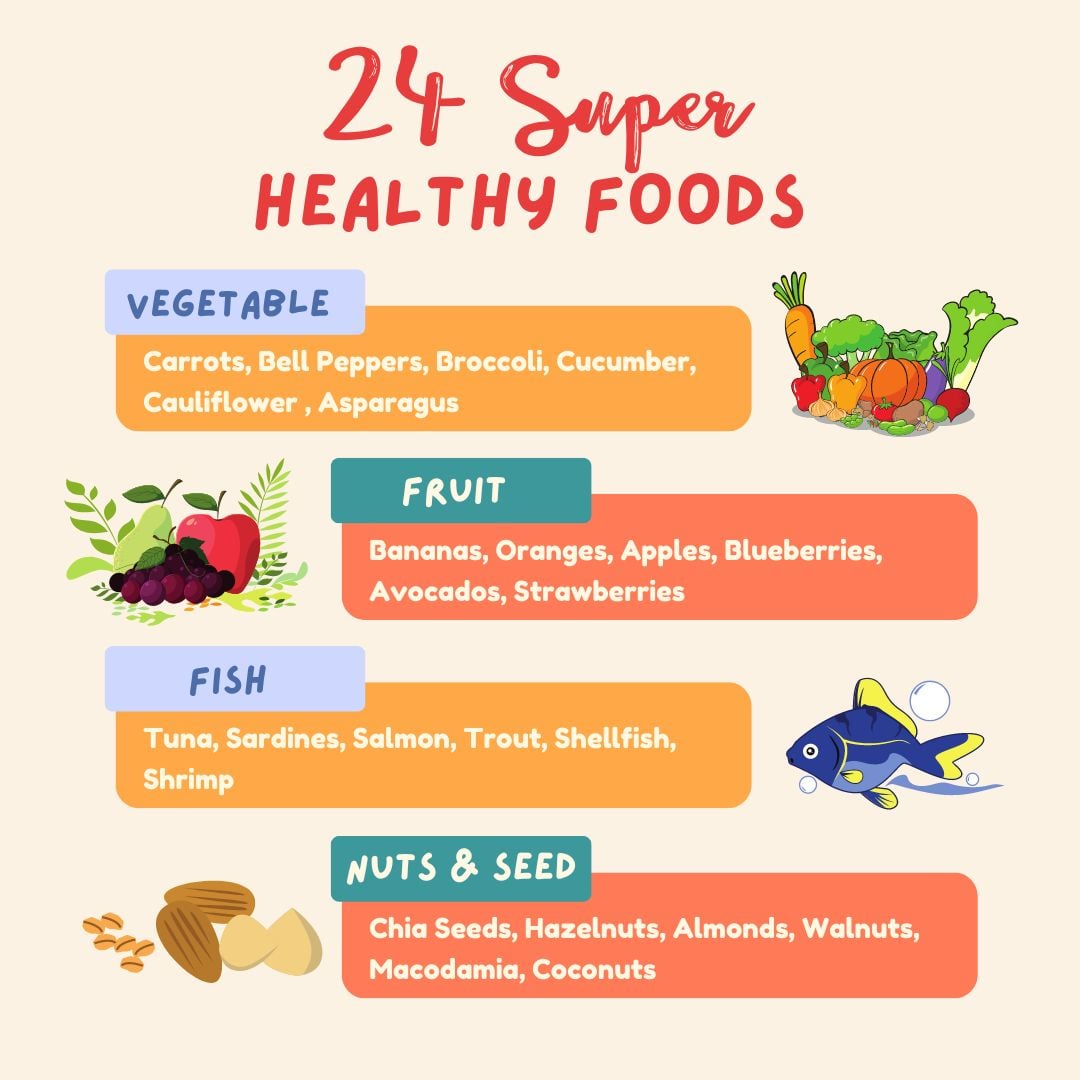
All of the macronutrients have foods that are also known as superfoods. These foods are usually unusually nutrient-rich. Remember, no single food can improve someone's performance or health on their own. When eaten as part of a balanced diet, they're a great way to maximize how many nutrients are eaten in a day. Superfoods include:
- Berries
- Dark Leafy Greens
- Eggs
- Sweet Potatoes
- Turmeric
Hydration Makes a Difference
The one consumable item that absolutely every person needs, athletes in particular, is water. Staying well-hydrated is vital for a person's overall health. It's also key for athletes looking to stay in top performance shape. Water is naturally shed by the body as it performs its normal functions, including breathing, sweating, and digesting other food. People, especially young people, engaged in physical activity need more water and also to replace electrolytes lost during their workout. Getting dehydrated can slow people down and also cause much worse problems. For example, dehydration puts a strain on the heart. It causes body temperature to rise. Those losing lots of water through sweat are also losing calcium, magnesium, potassium, and sodium as well. Athletes need to consume adequate amounts of water before, during, and after each exercise session.
Sustainable Nutrition Habits
Those looking to make major changes to their eating habits should remember to start small. The goal is to make changes that are sustainable and long-lasting. Radically changing everything about how a person eats and drinks all at once is far more likely to feel overwhelming and cause the person to give up completely. Instead, it's better to make a series of small changes. For example, switching out sports drinks or sodas, which are also bad for your teeth, for water flavored with sliced fruit. Another easy choice is to switch out pasta or white potatoes at dinner for sweet potatoes, which still deliver needed carbs but also offer a host of other vitamins and minerals. Slowly start working in new fruits and vegetables into meals and snacks and over time a variety of minerals and vitamins will be part of the daily diet.
Ready to book an appointment?
Book a consultation today or make an appointment using our convenient online appointment scheduler.
Book appointment

Enjoy the flexibility of paying through monthly payments.
CareCredit is a healthcare credit card designed for your health and wellness.
Learn more